
Table of Contents
In cities like Indianapolis, where clay-heavy soil holds moisture and spring storms can bring several inches of rain in a single day, sump pumps are especially important for preventing:
- Flooded basements
- Foundation erosion
- Mold growth
- Water damage to stored belongings
Why Sump Pump Inspections Matter (Especially in Indiana)
- Prevent Basement Flooding During Midwest Storms
Indianapolis experiences frequent spring and summer storms. Without regular inspections, sump pumps can fail just when they’re needed most. An annual or biannual inspection ensures that your system is ready for storm season.
- Catch Problems Before They Cause Damage
Inspections uncover hidden issues like:
- Debris in the pit
- Malfunctioning float switches
- Frozen or blocked discharge lines (a common winter issue)
- Worn or noisy motors
These problems are usually inexpensive to fix—but only if they’re caught early.
- Extend Pump Life in a Variable Climate
With temperature swings and wet seasons, Indiana’s climate can be hard on mechanical systems. Regular inspections keep sump pumps from becoming overworked or damaged by environmental wear.
- Avoid Mold, Mildew, and Foundation Damage
Even minor flooding can soak wood, drywall, and insulation—leading to structural issues and air quality concerns. Routine inspections ensure your sump pump is functioning as a preventive tool, not a reactionary fix.
What’s Included in a Sump Pump Inspection?
A full sump pump inspection typically includes the following steps:
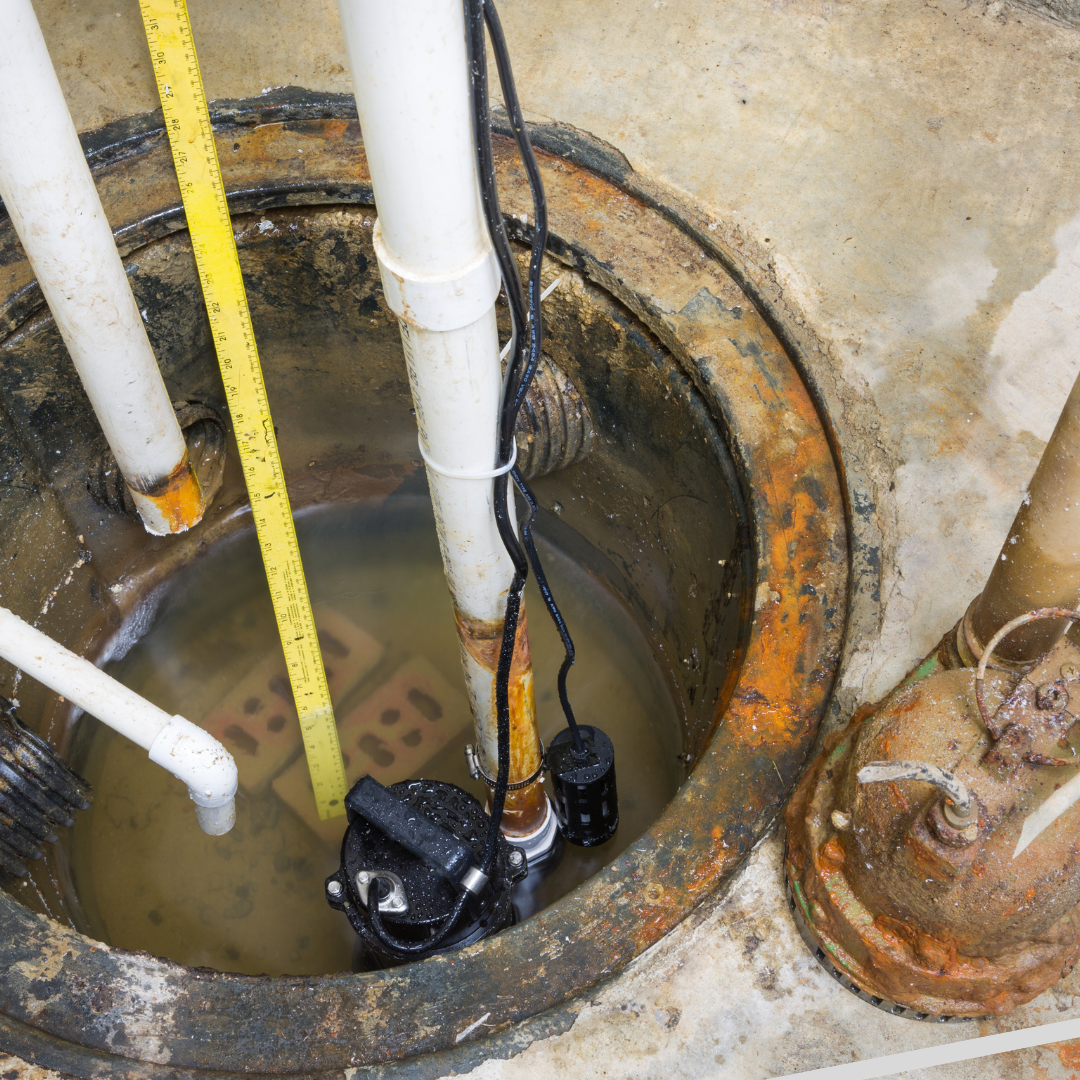
Visual Inspection
- Check for rust, corrosion, or visible damage
- Ensure the sump basin is free of mud, debris, or obstructions
- Confirm proper positioning and secure installation
Float Switch Test
- Manually activate the float or pour water into the pit
- Verify the pump activates when triggered and shuts off after draining
Pump Performance Test
- Run a full cycle under simulated flood conditions
- Listen for grinding, buzzing, or irregular cycling
Discharge Line Check
- Inspect outdoor discharge line for blockages, ice, or misalignment
- Confirm water is directed away from the foundation
Electrical and Backup System Check
- Ensure power is flowing to the pump via GFCI outlets
- Test battery backup systems (especially critical in Indianapolis, where storms often knock out power)
- Check alarms or water sensors if installed
When to Schedule a Sump Pump Inspection in Indianapolis
For most homes in Indianapolis and surrounding areas, the following inspection schedule is recommended:
- Twice a year – Spring (before heavy rains) and Fall (before winter freeze)
- After major storms – Especially if you notice high water accumulation or power outages
- Before selling a home – Many buyers ask about flood prevention measures
- If your basement smells musty or has visible moisture
If your home has a history of flooding or sits in a low-lying area, consider a more frequent schedule—every 3–4 months.
Signs Your Sump Pump Might Be Failing
Even if it seems to be working, a sump pump may show subtle signs of wear or failure. Be on the lookout for:
- Unusual noises – Grinding, clicking, or humming may indicate worn parts
- Constant cycling – If the pump runs even when it’s dry, the float switch may be stuck
- No activation – If water rises and the pump doesn’t turn on, you could be at risk of flooding
- Slow drainage – A sign that the discharge pipe is clogged or the pump isn’t operating at full capacity
- Standing water in the sump pit – Indicates that the system isn’t removing water effectively
Sump Pump Maintenance Tips for Indianapolis Homes
- Clear the sump basin at least once a year
- Inspect the discharge pipe exit point—ensure it’s free of snow, leaves, and mud
- Install a battery backup to keep the system running during power outages
- Test the system before expected storms
- Keep a log of maintenance dates and any repairs made
Because Indianapolis experiences four distinct seasons, these preventive measures help ensure your system works in all weather conditions.
Final Thoughts
In a city like Indianapolis, where weather can shift quickly and basement flooding is a real concern, a working sump pump is more than a convenience—it’s a necessity.
Regular inspections are a simple but critical step to protect your home, prevent expensive water damage, and maintain peace of mind during storm season.
If your sump pump hasn’t been inspected recently—or you’ve noticed strange noises or inconsistent performance—now is the right time to take a closer look.